Multi-tenancy means one application serves many customers (tenants) while keeping each one's data separate. For most first SaaS versions, the simplest approach wins: a single shared database with a tenant ID on every record, enforced everywhere. You don't need separate databases per customer to start — you need clean, consistently enforced isolation. Keep the architecture simple and make tenant separation airtight, and it scales further than most founders expect — well past your first hundred customers.
What does multi-tenant actually mean?
One running app and one codebase serving all your customers, with each customer's data logically separated so they only ever see their own. It's the standard SaaS model — everyone uses the same deployment, not a private copy. The alternative, a separate instance per customer, is operationally heavy (every customer becomes a deploy to update, monitor, and patch) and rarely needed early. For a first version, shared infrastructure with strict per-tenant data separation is the pragmatic default, and it's how the large majority of SaaS products run, including ones with thousands of customers. It's the default precisely because it's cheaper to run and simpler to keep correct than juggling a separate system per customer.
What's the simplest approach for v1?
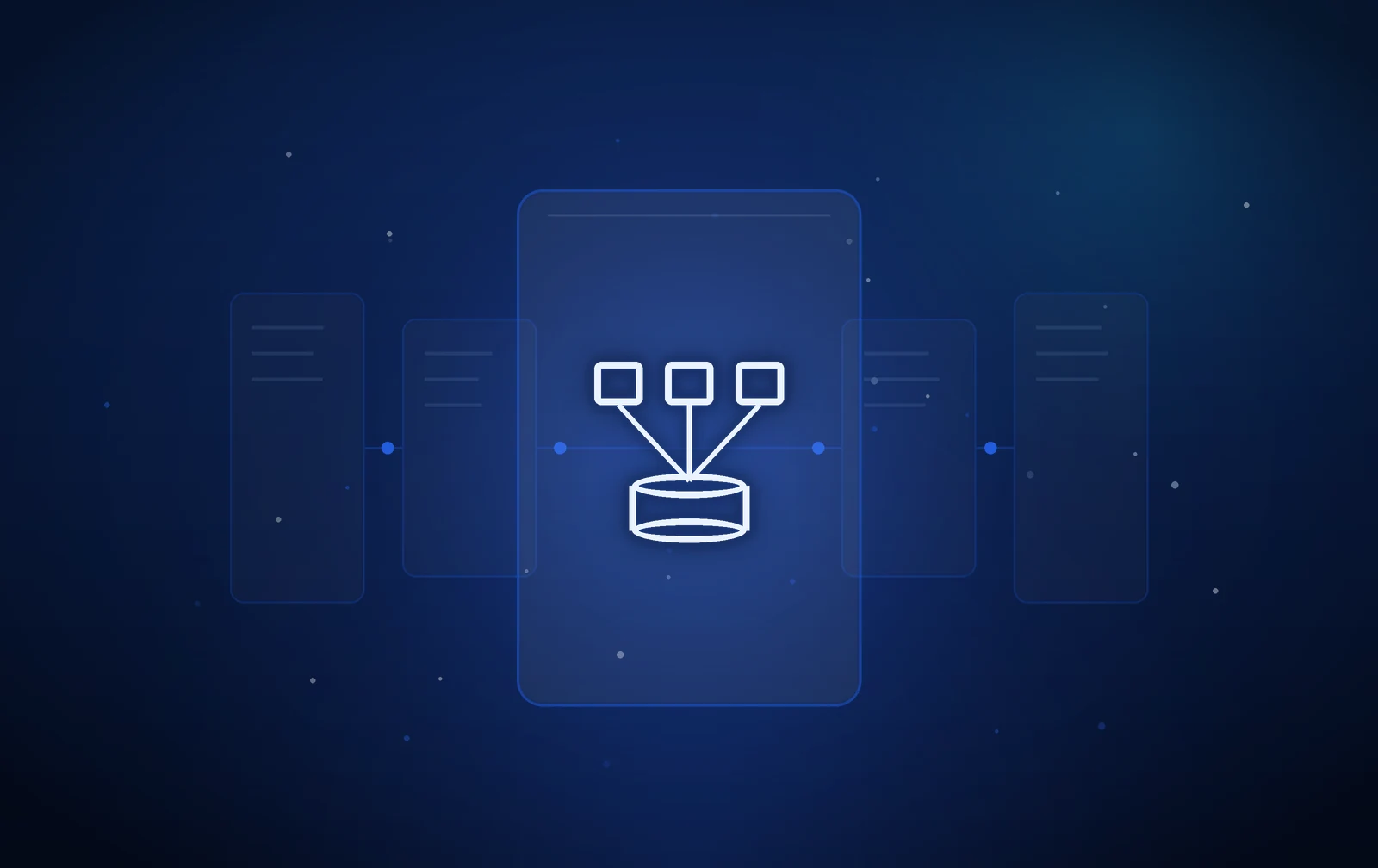
A shared database with a tenant identifier on every row, and queries that always filter by it. Each user belongs to a tenant; every read and write is scoped to that tenant automatically. It's simple to build, cheap to run, and easy to reason about. More complex models — a separate schema or database per tenant — solve problems most early SaaS products don't have yet, like an enterprise customer contractually requiring physical data separation. Start shared, stay simple, and split only when a real requirement forces it. Premature isolation is just premature scaling wearing a security costume.
How do you keep tenant data isolated?
Enforce the tenant scope in one place, not by remembering to add it to every query. A shared layer that always applies the tenant filter prevents the worst SaaS bug there is: one customer seeing another's data. Test it deliberately — write the test that tries to read across tenants and confirms it fails. Isolation is a correctness and trust issue, not a nice-to-have; a single cross-tenant leak can end a SaaS's reputation overnight, because trust is the whole product. Make it systematic so it can't be forgotten, because forgetting once is one time too many. Tools like row-level security in Postgres can enforce it at the database itself, as a backstop under your app code.
What about scaling and noisy neighbors?
Two things founders worry about early, usually too early. "Noisy neighbors" — one big tenant slowing things for everyone — is real at scale but rarely a v1 problem; you address it later with indexing, caching, and, if needed, moving heavy tenants to their own resources. A shared-database design carries you a long way on modern managed databases before you need anything exotic. The trap is architecting for a scale you don't have yet and paying in complexity now for a problem you might face in two years. Build the simple version, watch the metrics, and let real load — not anxiety — tell you when to evolve.
When should you consider a database per tenant?
Rarely, and later. The main legitimate reasons are an enterprise customer who contractually requires their data physically separated, strict regulatory isolation, or one tenant so large it genuinely needs its own resources. All three are good-problem-to-have signals that arrive well after launch, if at all. Until one is real and in front of you, a separate database per customer just multiplies what you have to deploy, migrate, monitor, and back up — cost and complexity with no payoff yet. Design so you could move a big tenant out later if needed, then don't, until the requirement is concrete.
How do I build multi-tenant SaaS?
I start with a shared database and a tenant ID enforced in a single, central layer — simple, safe, and scalable for a first version — on the stack behind my SaaS delivery. It's how Coloring Forge (case study) is built: boring, correct multi-tenancy that holds up. Simple architecture done right beats clever architecture done too early. The aim is a design you don't have to think about again until real scale makes you — and most products take a long, healthy time to get there.
Related SaaS guides
See the right MVP tech stack, how much a SaaS MVP costs, and auth and user roles in a web app.
Building a multi-tenant SaaS? Tell me what you're building — I'll set up isolation that's safe from day one.